ADAPT Research Team
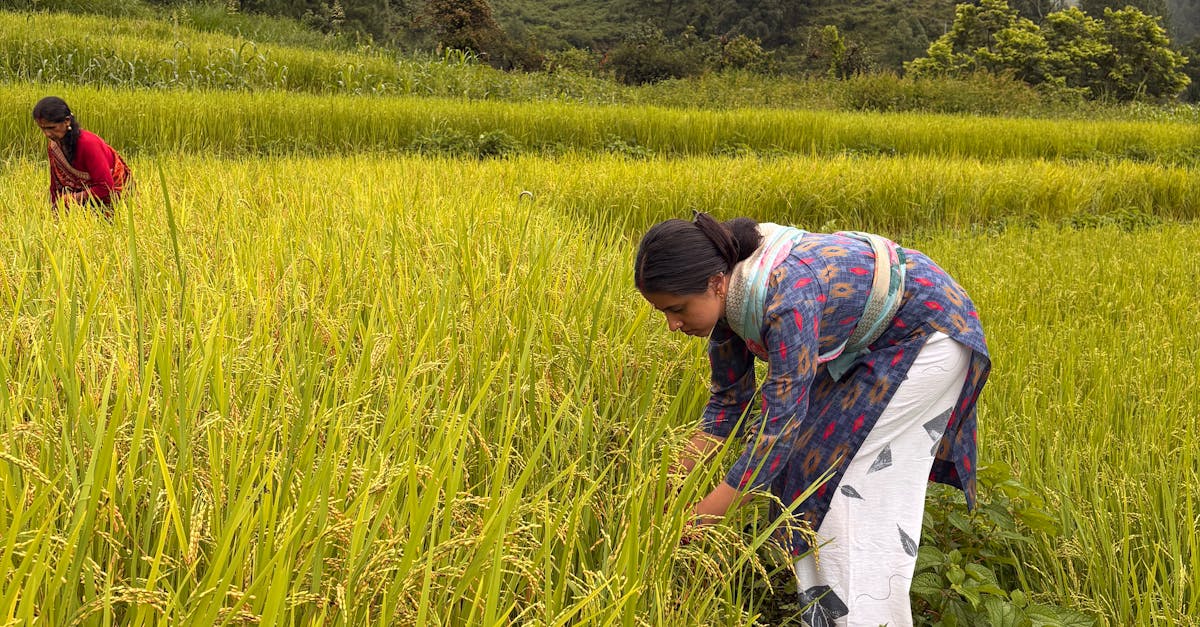
A woman farmer in the Lower Brahmaputra Valley collects sal seeds for four to six weeks in the primary collection months of June and July. During those months, she earns Rs 150-200 per day – depending on the quality of harvest and the market demand. For the rest of the year, she has very meagre to negligible income. The government systems are such that she is not part of the employment statistics. She does not appear in labour force participation data. And so she is not a farmer but a gatherer of non-timber forest products (NTFP) and to the policy architecture of India she is essentially invisible.
But this invisibility is not mere absenteeism from the system but an expensive one in that.
Multiple research conducted in the tribal-dominated and hilly districts including those in the Eastern Himalayas, NTFP – plants, bamboo, sal seeds, cane, honey, fruits, leaves – income is widely documented to constitute 30–50% of total annual household income (Dutta, 2026; Ozukum et al., 2025). This income source keeps a household afloat during agricultural lean seasons. Because NTFP-based income is not formalised, not taxed, not recorded in any government system, policy treats it as an invisible activity.
The consequence is that communities managing forests and deriving livelihoods from them often end up outside formal livelihood and planning systems. As pressures on forests increase and traditional income sources become less stable, many communities face growing economic vulnerability. Strengthening recognition, support systems and sustainable market linkages for NTFP-based livelihoods could help improve both ecological stewardship and long-term community resilience.
What does the data say?
A 2025 national-scale assessment of community forestry and NTFPs in India, published in Current Forestry Reports, found that only 11.6% of villages have access to community-managed forests and barely 3% participate in commercial extraction of NTFP. Less than 0.3% of households depend primarily on NTFP as a livelihood source (Pandey et al., 2025).
These estimates are based on official survey datasets, which may not fully capture the extent of seasonal or supplementary NTFP-based livelihoods. In many regions, NTFP collection is informal, intermittent and integrated with agriculture or wage labour making it difficult to accurately reflect in conventional household surveys and livelihood classifications.
But here is what we know from the ground. In Assam’s forestry zones – the Upper Assam region, the North East Assam region, the Cachar region, NTFP collection provides critical income for tribal and forest-dependent communities. The products are concrete: sal seeds, bamboo, cane, medicinal plants, honey (Saikia et al., 2017). The income is real, even if it is not recorded. A household that collects sal seeds for 150 days per year at Rs 180 per day generates Rs 27,000 annually which is not enormous, but in regions where average household income is Rs 40,000-60,000, this represents 40-60% of annual income (Peerzada et al., 2022).
What the 2025 assessment actually shows is not that NTFP dependence is low but existing systems significantly undervalue NTFP dependence making it a measurement challenge and not the economic reality.
Market Dynamics and Livelihood Challenges
The major challenge with NTFP-based livelihoods is that while collectors and forest-dependent households undertake the primary labour of gathering, sorting, and transporting forest produce, much of the economic value is generated further along the supply chain through aggregation, processing, branding, and retail. The communities collecting NTFPs are not poor because they cannot harvest. They are poor because the price they receive for their labour and products has not increased in two decades while all other prices have.
A sal seed collector in 2005 earned Rs 3-5 per kg of seeds. In 2025, the market price is Rs 8-10 per kg. Nominally, that is a 100-150% increase. In real terms – accounting for inflation in food, fuel, housing, and medicine – the collector’s purchasing power has declined. Meanwhile, the buyer (a trader who aggregates seeds and sells to processors), the processor (who makes sal oil) and the retailer (who sells finished product) each have captured margins. By the time sal seed oil reaches a consumer, it is sold at Rs 300-400 per litre, a retail markup of 30-40x the farm-gate price paid to the collector.
This is not unique to sal seeds. It is the structure of every NTFP value chain. The collector who is the person doing the actual labour receives 3-5% of final retail value. Everyone else in the chain captures the rest. This structure persists because collectors are dispersed, unorganised and have minimal alternative market access. They cannot negotiate and often sell to the first trader who appears.
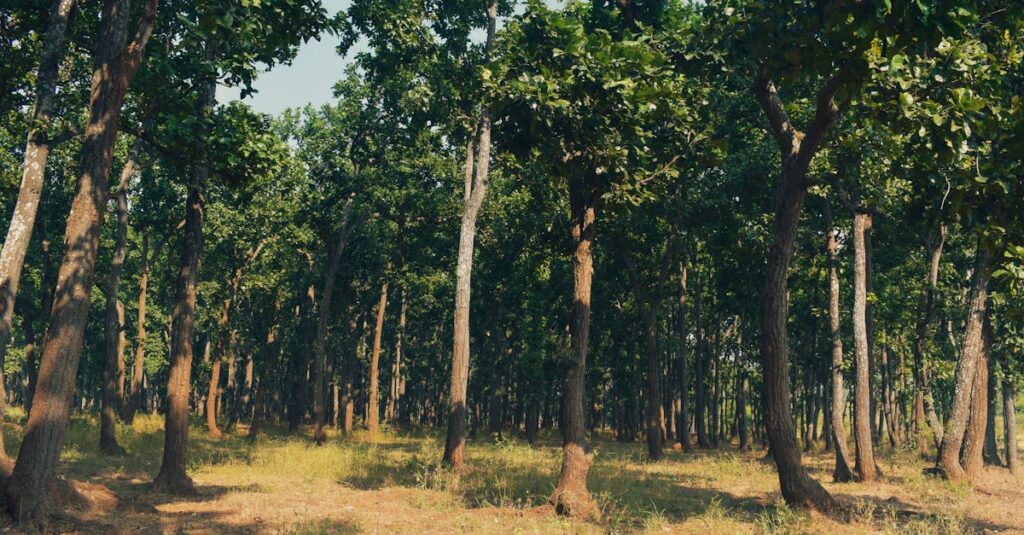
Assam has 550 Joint Forest Management Committees (JFMCs) theoretically involving forest-dependent communities in forest governance. But the implementation of NTFP benefit-sharing through these committees is patchy. In theory, benefits from NTFP sales should be shared with all members of the Gaon Sabha (village assembly). In practice, most JFMCs have not created functional NTFP marketing systems nor have they invested in value-addition infrastructure. The Assam government’s own figures show that JFMCs are achieving about 48% of their physical targets for forest development, while the livelihood component is significantly lagging (Govt of Assam, n.d.). The reason is that livelihood support requires capital investment (processing equipment, storage infrastructure, market linkages) that state budgets do not prioritise.
What the Agroforestry Policy Gets Right
In November 2024, Assam’s cabinet approved the Agroforestry Policy 2024, described as a landmark move aimed at boosting environmental sustainability and enhancing rural prosperity. The policy creates pathways for farmers to integrate trees into agricultural systems with support for timber, fruit and fuelwood production. It’s a genuinely comprehensive policy since agroforestry is adaptive and it helps increase farmer income while restoring forest cover. Therefore, it makes both – economic sense and ecological sense simultaneously.
But the policy has a critical blind spot. It focuses on farmer-scale agroforestry. It does not address NTFP collection from natural forests or community-managed forests which is the actual livelihood source for the poorest forest-dependent communities. While it creates pathways for a farmer with 2 hectares to plant fruit or timber trees, it does not explicitly advocate for a market infrastructure for a woman collecting medicinal plants in a state forest.
This is the policy gap that matters most. Agroforestry is important, but it will benefit farmers with land. NTFP value chains, when properly structured, can benefit the landless, the poorest and the most ecologically vulnerable populations. However, dedicated institutional and financial support for NTFP-based livelihood development within Assam’s forestry and rural development systems remains relatively limited and uneven across regions.
What Secure Rights Actually Generate
Here is the counterfactual that suggests what is possible. Countries with secure community forestry rights like Nepal, Guatemala, Tanzania have documented better outcomes for both livelihoods and forest cover. When communities have guaranteed, long-term access rights to forest resources, they invest in sustainable management. They protect forests from external encroachment. They extract at sustainable levels because they know the forest will be there next year and the year after.
India’s Forest Rights Act (FRA) 2006 created the legal foundation for this. It recognises tribal rights and forest dweller rights to both land and resources. It gives communities the authority to protect their forests and benefit from them. But implementation has been uneven. In Assam, forest rights claims have been filed and recognised in some regions but the connection between recognition and livelihood support remains a challenge still.
While progress has been made around land and rights recognition under the FRA, there remains significant scope to strengthen the supporting ecosystem required for sustainable livelihood generation. This includes investments in community enterprises, processing infrastructure, market access, institutional capacity, and value-addition systems that can help translate forest rights into long-term economic resilience.
What Needs to be Done?
What would actually shift the livelihood equation for NTFP-dependent communities?
- Aggregation and processing infrastructure at the district and block level – The Van Dhan Kendras model promoted by the Ministry of AYUSH establishes community processing centers where forest collectors can process raw materials (drying medicinal plants, extracting oils, making value-added products) before selling. This increases the price received by 5-10x. A Van Dhan Kendra requires capital investment (equipment, storage, transportation) but the return to collectors is immediate and substantial. Assam has only a handful of such centres. A targeted investment programme with Rs 10-15 crore allocated to Van Dhan Kendras across NTFP-dependent districts would directly affect the livelihoods of 50,000-100,000 forest collectors.
- Minimum Support Price (MSP) for forest products – The government guarantees minimum prices for agricultural crops to stabilise farmer income. No equivalent mechanism exists for NTFP collectors. An MSP for key forest products like sal seeds, medicinal plants, bamboo set at a level that reflects genuine value rather than exploitative trader margins would immediately improve collector income. The cost to the government which is the difference between current market price and MSP, absorbed through cooperative purchase. For sal seeds, if the government guaranteed Rs 12-15 per kg (compared to current Rs 8-10), it would cost approximately Rs 5-10 crore annually to cover Assam’s sal seed production. This will directly increase income for 50,000+ collectors and reduce pressure on forests from collectors trying to extract more volume to compensate for low prices.
- Cooperative or FPC-based NTFP marketing – Assam’s experience with farmer producer companies (FPCs) in agriculture is instructive. The FPC model aggregates production, enables collective negotiation with buyers and reduces individual farmer vulnerability to market shocks. The same model works for NTFP. A forest collector cooperative that aggregates sal seeds from 100 households can negotiate directly with buyers, can access equipment for processing and can achieve economies of scale. Assam Forest Department data shows 550 JFMCs but limited functional cooperatives for NTFP marketing. A state policy supporting NTFP cooperatives with modest capital grants and professional management support could shift the market power balance in favour of collectors.
- Formal recognition and skills development – Most NTFP collectors are women and most have no formal education in processing or value addition. A government programme certifying NTFP processing, teaching food safety standards and creating pathways to formal markets would enable collectors to move from informal to formal value chains. The Skill India programme has done this for several sectors. Replicating it for NTFP with a targeted focus on Northeast states would create genuine livelihoods rather than simply increasing collection volume.
Why This Matters Beyond Livelihoods
There is a conservation case for prioritising NTFP livelihood support that goes beyond poverty reduction. For many forest-dependent communities, forests are closely linked to household income, food security, seasonal resilience and cultural practices. A woman earning Rs 27,000 annually from sal seed collection has every reason to protect these forests. Conversely, a woman receiving no livelihood support from forests faces no cost from their conversion to agriculture or development. Strengthening sustainable forest-based livelihoods can therefore contribute to both economic well-being and long-term conservation outcomes.
Several regions in Northeast India with relatively high forest cover including parts of Nagaland, Mizoram and Arunachal Pradesh also have significant dependence on forest resources and NTFPs. Over generations, local communities have played an important role in managing and sustaining these landscapes through customary practices and traditional ecological knowledge systems.
As climate pressures and land-use changes intensify, there is growing recognition that community participation will remain central to long-term forest stewardship and biodiversity conservation. Supporting sustainable NTFP value chains, community enterprises and forest-linked livelihoods can help align ecological conservation with local economic resilience while also strengthening community incentives for sustainable resource management.
The Conversation That Is Missing
Assam’s Agroforestry Policy, the Assam Forest Policy 2004 and Joint Forest Management structures already provide a foundation for community participation in forest governance. However, there remains considerable scope to more explicitly integrate NTFP-based livelihoods into broader forest and rural development strategies.
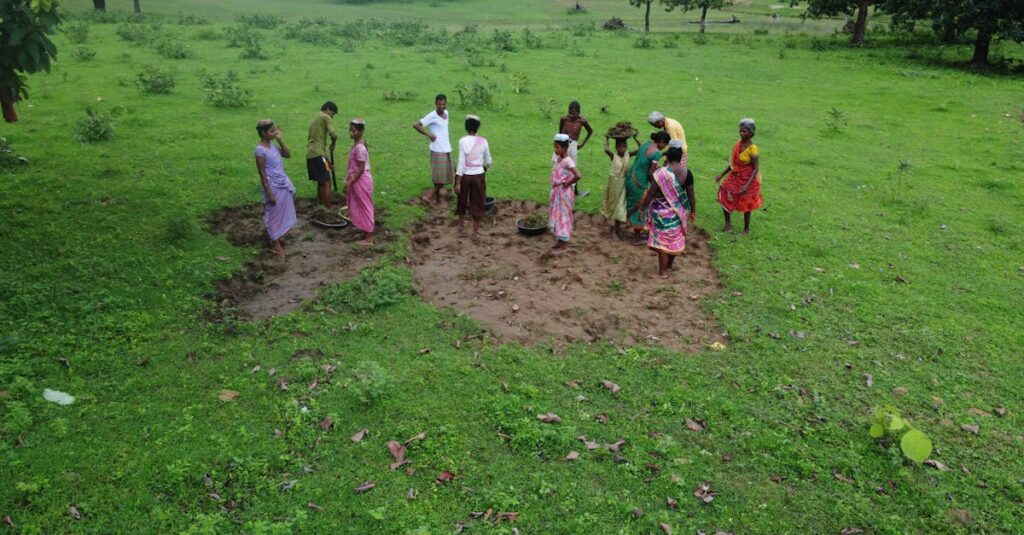
Forest-dependent communities are not only livelihood beneficiaries but also important actors in the stewardship and management of local ecosystems. Many possess deep ecological knowledge of forest landscapes, seasonal cycles, and sustainable harvesting practices developed over generations. Strengthening support systems around NTFP livelihoods including value addition, processing infrastructure, market access, and institutional capacity could help better connect forest governance objectives with livelihood resilience outcomes.
Greater convergence between forestry, livelihood, and rural development policies may also create opportunities to support both ecological sustainability and community well-being in forest-dependent regions. As pressures from climate change, land-use change, and economic vulnerability increase, recognizing and strengthening the role of community-based forest economies could become increasingly important for Assam’s long-term resilience.
Forests continue to play a significant but often under-recognized role in supporting household economies across the region. Building stronger policy and institutional support around sustainable forest-based livelihoods may help unlock both conservation and livelihood benefits in the years ahead.
Sources
Chakrabarti, P., and A. Dutta. 2026. “Beyond Timber: A Review on the Role of Non-Timber Forest Products for Ecological Sustainability and Rural Empowerment in India.” Frontiers in Sustainable Food Systems 10: 1792816. https://doi.org/10.3389/fsufs.2026.1792816.
Government of Assam. n.d. “Joint Forest Management Programme Data: 550 JFMCs, 50,856 Households, 90 Forest Villages.” Environment and Forest Department. Accessed May 14, 2026. [https://environmentandforest.assam.gov.in/portlets/joint-forest-management#:~:text=About%20550%20number%20of%20Joint,and%20stand%20on%20their%20own.]
Ozukum, L., S. Das, A. Sharma, R. Nakhro, N. K. Patra, and M. Dutta. 2025. “Identification of Non-Timber Forest Products and Economic Value—A Study in Eastern Himalayan States of India.” Indian Journal of Ecology 52 (2): 283–292. https://doi.org/10.55362/IJE/2025/4490.
Pandey, D. K., S. Ghosh, B. Mondal, et al. 2025. “National-Scale Assessment of Community Forestry and NTFPs in India: A Synthesis of Spatial Patterns, Livelihood Dependence, and Governance Pathways.” Current Forestry Reports 11: 27.
Peerzada, Ishtiyak Ahmad, Mohammad A. Islam, James Chamberlain, Shalini Dhyani, Mohan Reddy, and Somidh Saha. 2022. “Potential of NTFP Based Bioeconomy in Livelihood Security and Income Inequality Mitigation in Kashmir Himalayas.” Sustainability 14 (4): 2281. https://doi.org/10.3390/su14042281.
Saikia, Apurba, Manash Pratim Borah, Roshan Sarmah, and Anima Kutum. 2017. “Non-Timber Forest Products (NTFPs) and Their Role in Livelihood Economy of the Tribal People in Upper Brahmaputra Valley, Assam, India.” Research & Reviews: Journal of Botanical Sciences 6 (1): 21–27.
Suggested Citation: ADAPT. “Invisible Economies of the Forest: Rethinking NTFP Livelihoods in Northeast India.” Alliance for Development & Progressive Transformation. May 2026.
Disclaimer: All the images used in this commentary are used for non-commercial, educational and transformative purposes under the fair use category. ADAPT doesn’t claim any ownership of these visual assets.