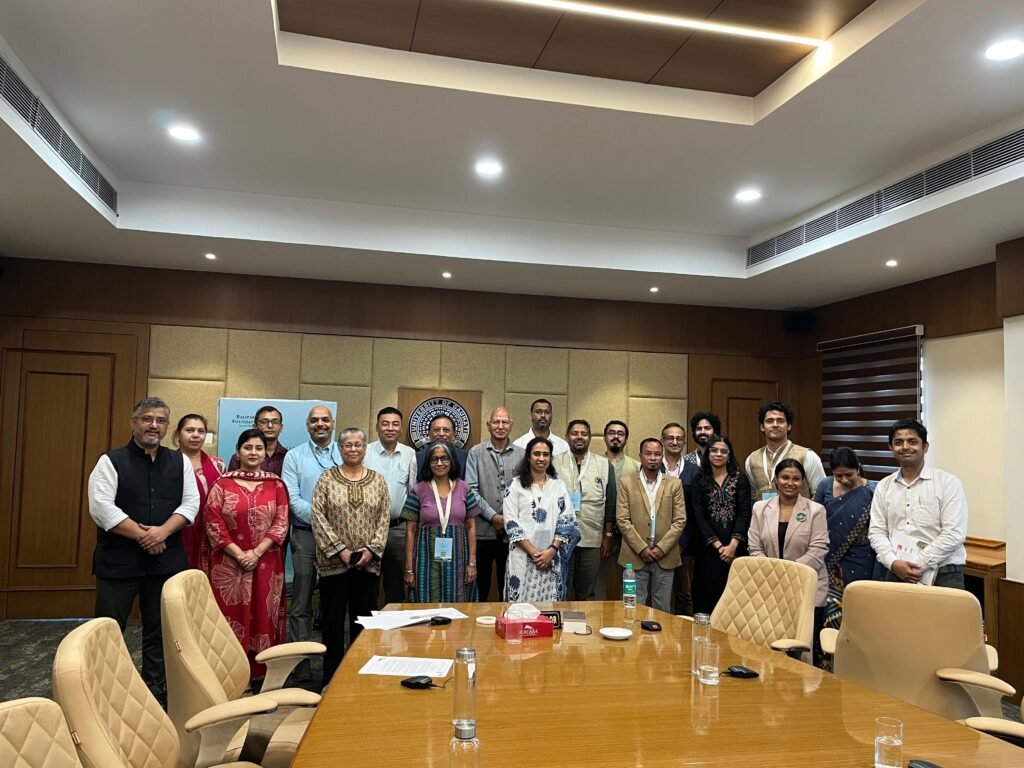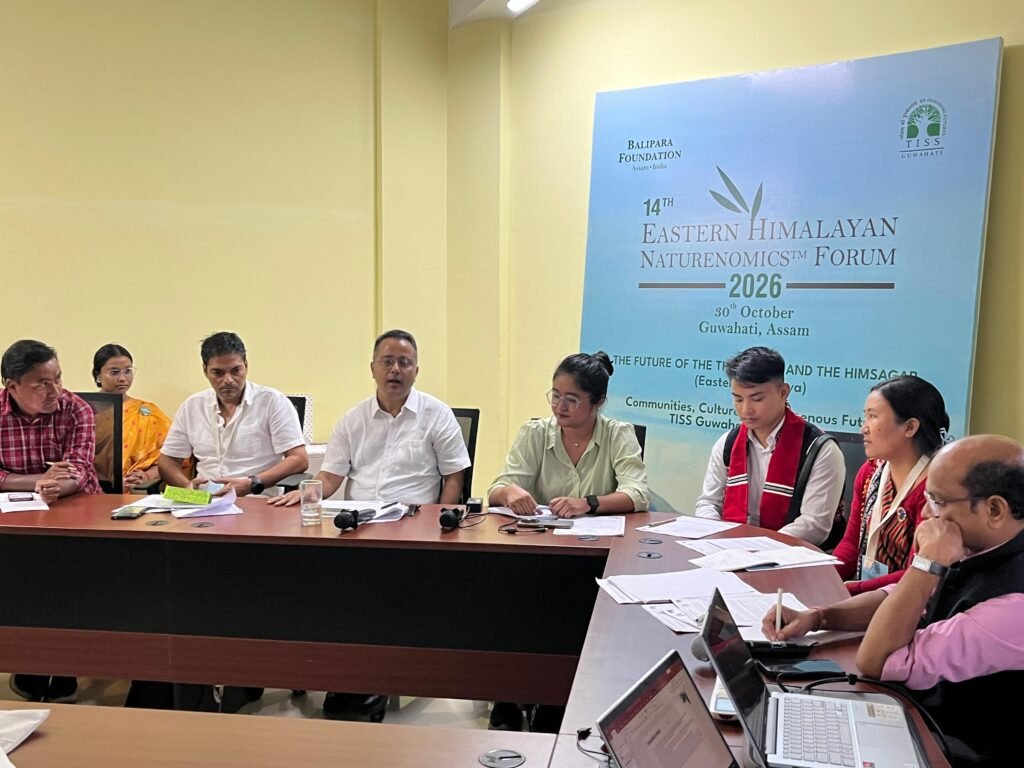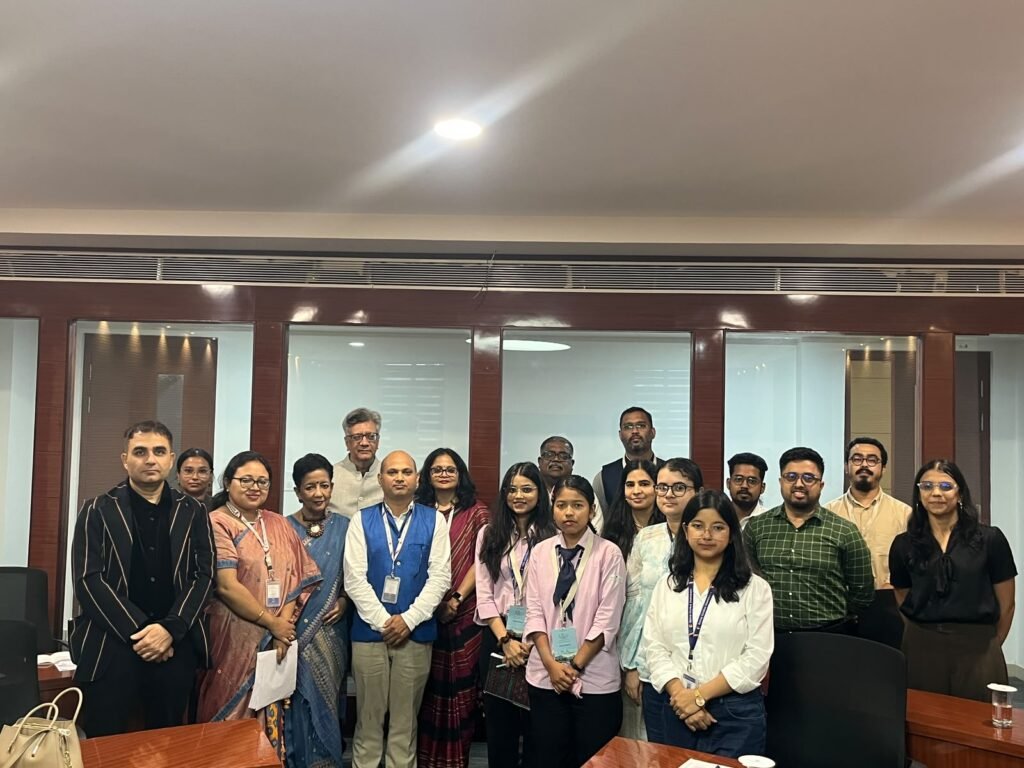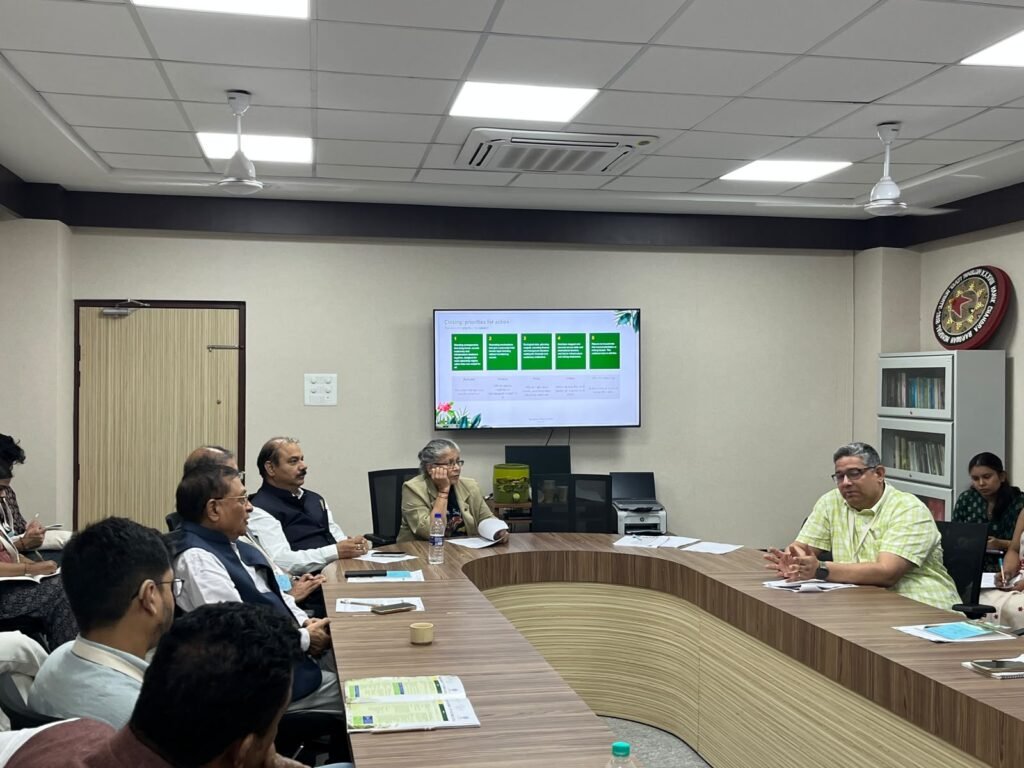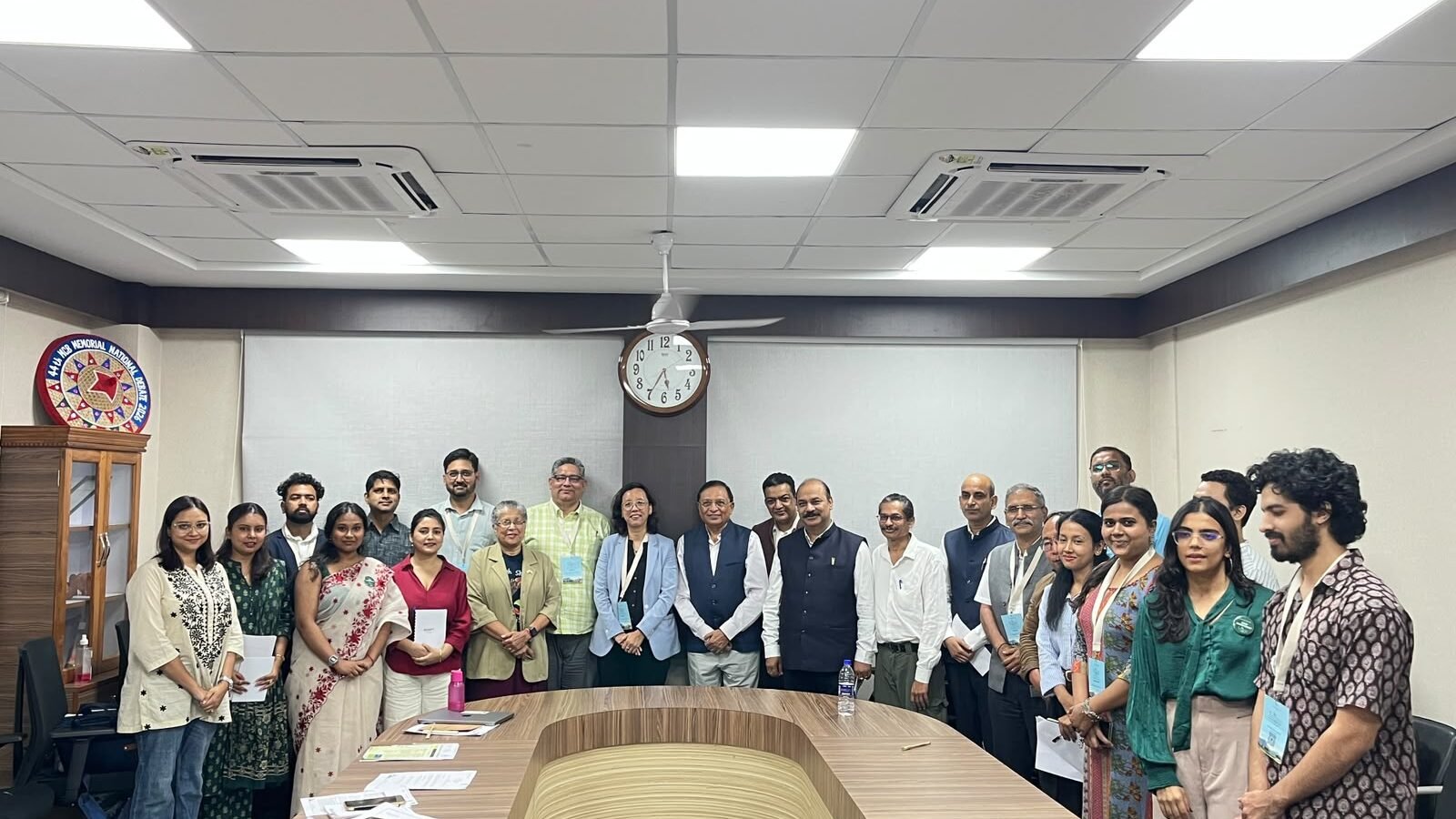
ADAPT partnered with Balipara Foundation as Knowledge Partner for the 14th Eastern Himalayan Naturenomics™ Forum, held from 30 October to 3 November 2026. As part of this, we convened five closed-door expert consultations across five leading academic institutions in Assam — each one built around a theme central to the Eastern Himalaya’s future.
- 30 October | TISS Guwahati – Communities, Culture & Indigenous Futures
- 31 October | Cotton University – Forests & Biodiversity
- 1 November | IIT Guwahati – Water & Energy
- 2 November | Gauhati University – Sustainable Land Futures
- 3 November | Assam Royal Global University – Green Technology, Innovation & Entrepreneurship
These were our first events as an organization, and they brought together researchers, practitioners, community leaders and policy voices from across the region. Here’s a look at what came out of each conversation.
1. Communities, Culture & Indigenous Futures — TISS Guwahati
This session brought together people working at the intersection of indigenous knowledge systems, cultural resilience and community-led futures.
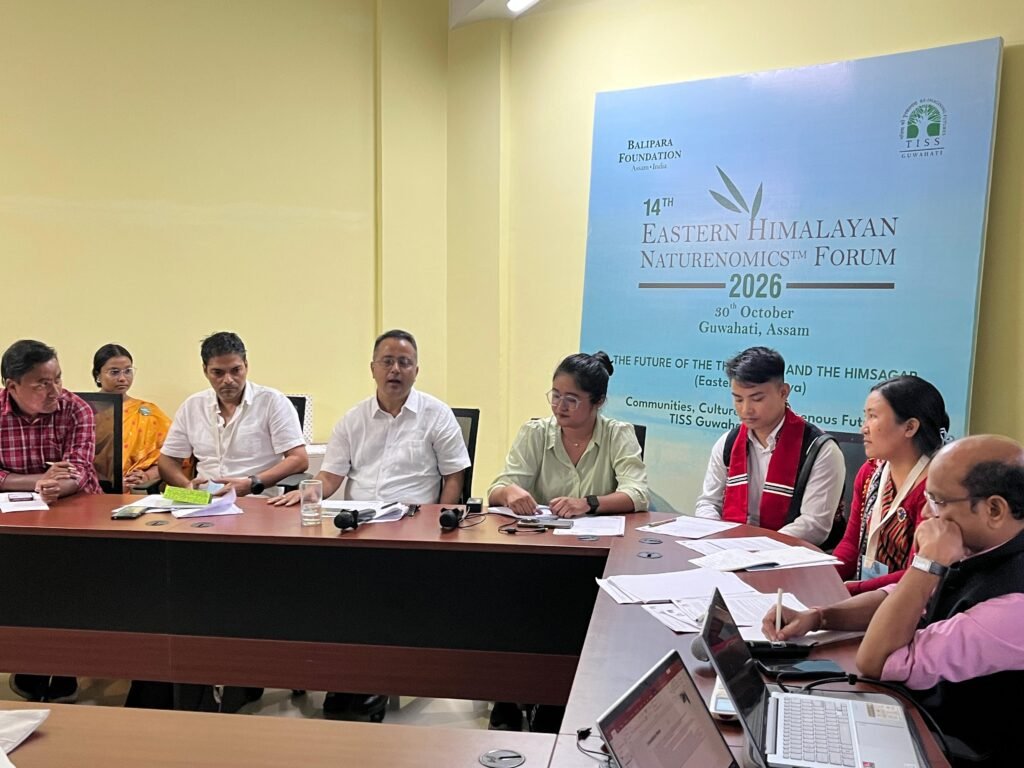
Two things stood out. First, indigenous knowledge systems are still an underused resource, one that could do a lot more to shape development that’s both sustainable and culturally rooted. Second, real community participation can’t stop at consultation. It needs structures that hand over actual ownership and decision-making, not just a seat at the table.
2. Forest Biodiversity — Cotton University
Framed as “Forest Biodiversity in the Eastern Himalaya: Strengthening Forest Governance, Community Forestry and Ecological Corridors“, this consultation looked at how governance frameworks, community forestry models and ecological corridors can work together to protect one of the most biodiverse regions on the planet.
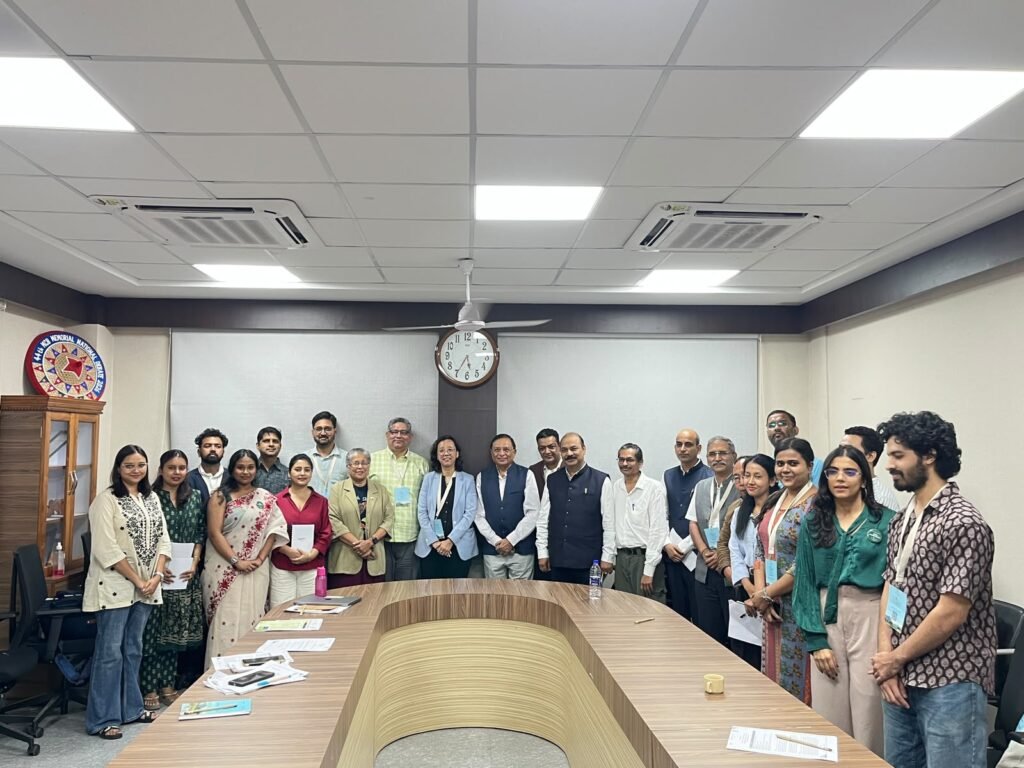
The group kept returning to two points: governance only works if culture is built into the policy itself, not bolted on afterward. And protecting ecological corridors means collaboration that cuts across institutions, administrative boundaries and communities, no single actor can do it alone.
3. Water & Energy — IIT Guwahati
At IIT Guwahati, the conversation turned to the Eastern Himalaya’s water and energy systems, and how development pressure is reshaping both.
Participants flagged the tension between hydropower expansion and river ecosystem health, arguing that energy planning needs to account for downstream and ecological costs, not just output targets. There was also strong emphasis on decentralised, community-managed water and micro-energy systems as more resilient alternatives to large centralised infrastructure especially in a region as seismically and ecologically sensitive as this one.
4. Sustainable Land Futures — Gauhati University
This session focused on land use across the Eastern Himalaya ranging from agriculture, shifting cultivation, urban expansion and the pressures all three put on a limited and fragile landscape.
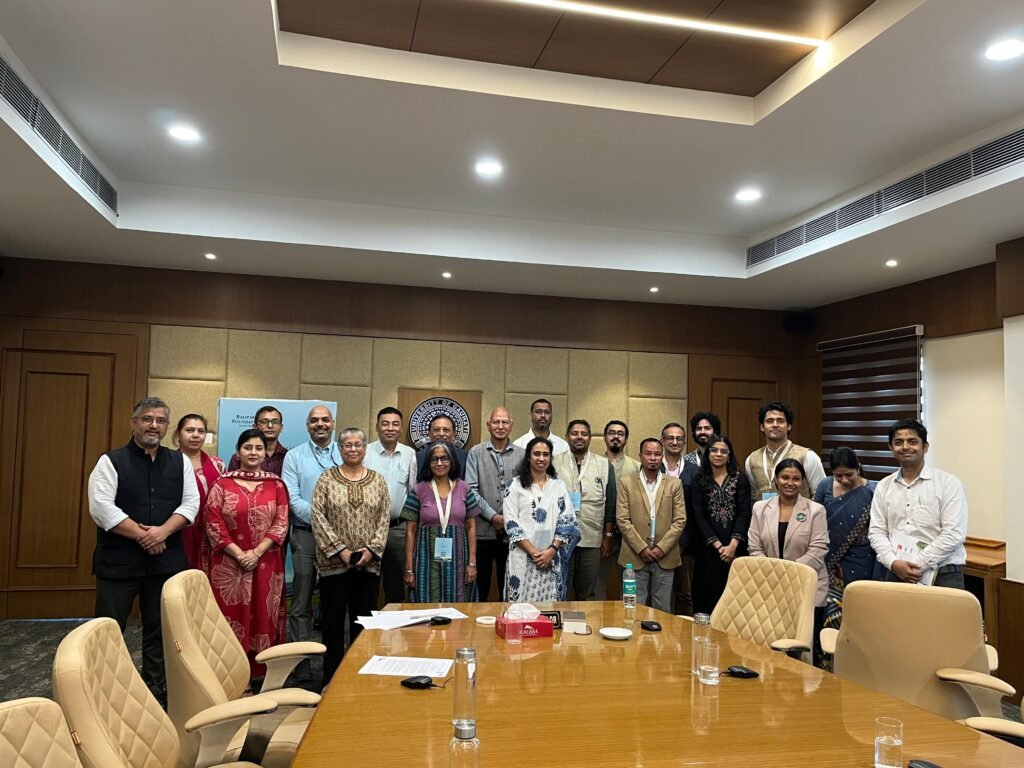
Discussions centred on the need to rethink land-use planning as a shared, cross-sectoral exercise rather than something siloed between agriculture, forestry and urban departments. There was also a strong push to recognise and strengthen traditional land stewardship practices, like shifting cultivation systems, instead of treating them as problems to be phased out.
5. Green Technology, Innovation & Entrepreneurship — Assam Royal Global University
The final consultation looked at where green technology and entrepreneurship fit into the region’s future and what’s holding them back.
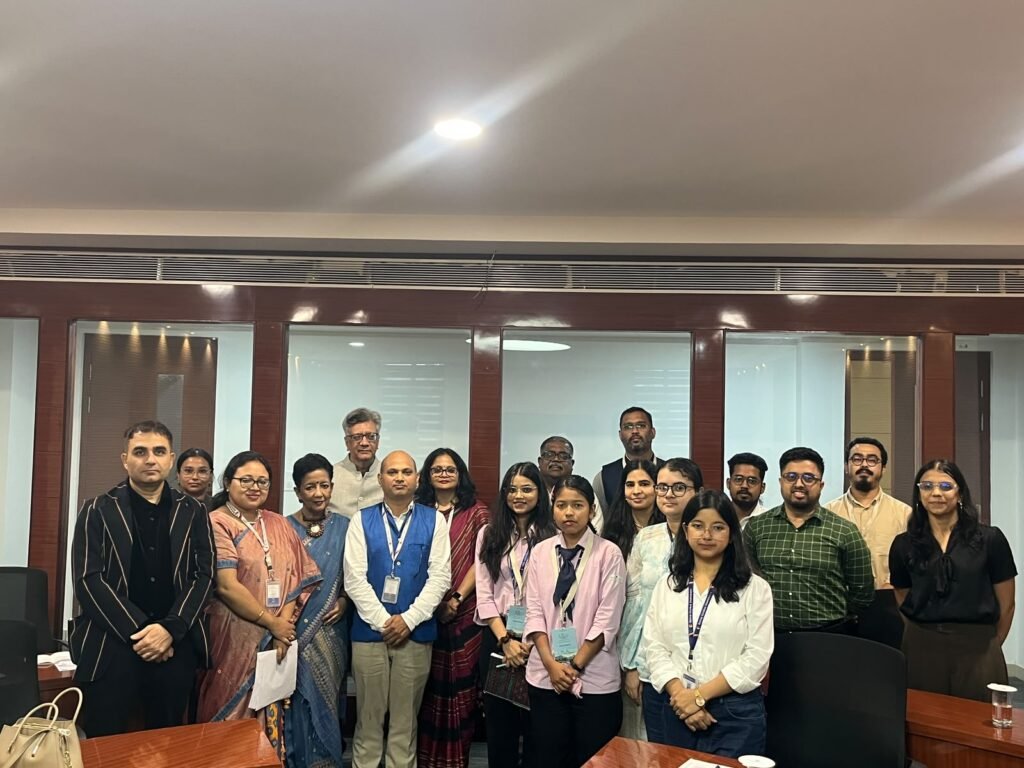
A recurring theme was the gap between innovation and access: the region has no shortage of ideas and early-stage ventures, but limited capital, infrastructure and market linkages to scale them. Participants also stressed the need for green entrepreneurship models that are built around local resources and community needs, rather than imported templates that don’t quite fit the terrain.
These five conversations mark the start of what we hope becomes an ongoing dialogue on the future of communities and ecosystems across the Eastern Himalaya. We’re grateful to everyone who joined these sessions and brought their expertise and perspective to the table.